




Excellence Begins Here
Integrated Management System Certification Overview
The Integrated Management System Certification validates a candidate’s knowledge of integrating multiple management system standards into a single cohesive framework. The certification assesses understanding of governance structures, process alignment practices, risk management approaches, and operational controls used to manage integrated systems effectively.
It evaluates competence in aligning requirements across standards such as ISO 9001, ISO 14001, and ISO 45001, identifying overlaps, and supporting unified management practices. Successful candidates demonstrate foundational capability in contributing to efficient and streamlined organizational management systems.

Skills You Will Gain
System Integration Awareness
Ability to understand how multiple management systems are combined into a unified framework. This supports efficient organizational management.
Process Alignment
Ability to align processes across quality, environmental, and safety systems. This improves operational consistency and reduces duplication.
Risk Identification
Ability to recognize risks across integrated systems and support unified risk management approaches. This strengthens organizational resilience.
Performance Monitoring
Ability to review integrated performance indicators and evaluate system effectiveness. This supports comprehensive management oversight.
Governance Support
Ability to contribute to structured governance and accountability mechanisms across integrated systems. This strengthens organizational control.
Documentation Management
Ability to support the development and maintenance of unified policies, procedures, and system documentation. This ensures consistency and compliance.
Exam
Exam not found for this course.
 Minimum required score to pass: 60%
Key Exam Highlights
Why This Certification Matters?
- Strengthen Manufacturing Compliance
Evaluate cosmetic production processes and identify gaps that may affect product quality or safety. This enables professionals to support stronger manufacturing practices. - Support Regulatory Alignment
Apply ISO 22716 principles to ensure cosmetic manufacturing processes meet regulatory and industry expectations. This helps organizations maintain compliance. - Improve Audit Effectiveness
Conduct structured audits that evaluate manufacturing operations, hygiene practices, and quality procedures. This strengthens oversight of production environments. - Enhance Product Safety
Support organizations in maintaining high standards of product quality and safety throughout the manufacturing lifecycle. This helps protect consumers and brand reputation.
Qualify for In-Demand Jobs
- Integrated Management Systems Manager
- Quality, Health, Safety, and Environment (QHSE) Manager
- Management Systems Integration Specialist
- Compliance and Governance Manager
- Operational Excellence Manager
- Risk and Compliance Analyst
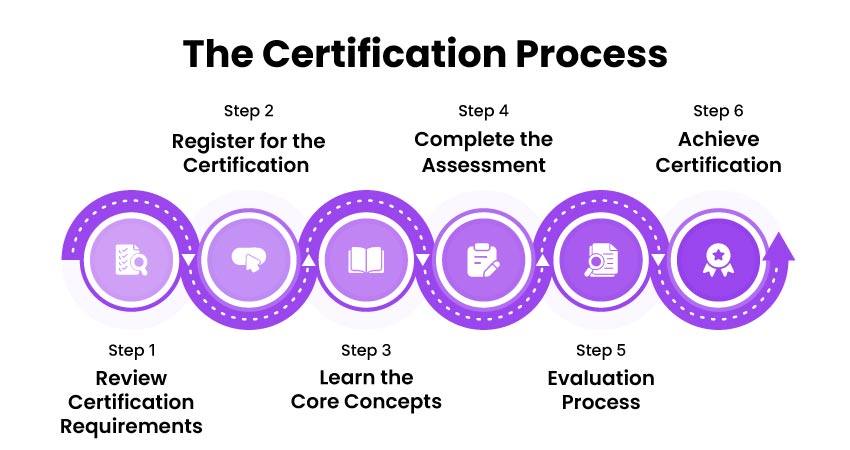
Certification Roadmap
Step Forward with Globally Recognized Certification
Career Growth
Certified professionals report faster career advancement and higher recognition within their organizations after earning their certification. Many experience salary growth, expanded responsibilities.

Boost Your Career & Income

Increase your earning potential with globally valued certification.

Global Certification Board make 20% higher salaries worldwide
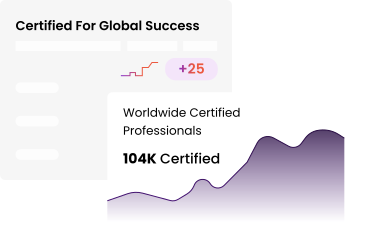
Globally Certified Professionals Over Time
Our certification program continues to grow worldwide as more learners upgrade their skills with globally recognized expertise. Certified individuals demonstrate improved .
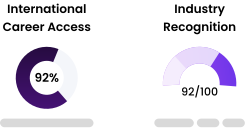
Global Opportunities
Certified professionals gain access to international job roles, cross-border work experience, and leadership positions in top organizations. and leadership positions in top organizations.

Build a Future-Ready Global Certification Career for 2026 — Backed by an Internationally Recognized Diploma
Accredited Certification issued by Global Certification Council
Frequently Asked Questions
The Integrated Management System Certification introduces the principles used to combine multiple management systems into a single, unified framework. It helps professionals understand how organizations align standards such as quality, environmental, and health and safety management systems. The certification tests foundational knowledge related to integrated governance and system coordination.
This certification is suitable for professionals involved in quality, environmental, and health and safety management. It is valuable for individuals working in compliance, operations, risk management, or governance roles. Professionals seeking to validate their knowledge of integrated management practices can also benefit from this certification.
The certification evaluates knowledge of integrating multiple management system standards into a unified structure. It also introduces concepts related to process alignment, risk management, and continuous improvement across different systems. Professionals gain an understanding of how organizations streamline management practices.
Integrated management expertise is valuable for organizations aiming to improve efficiency and reduce duplication across systems. This certification demonstrates your understanding of internationally recognized management system practices. It can support career growth in quality management, compliance, and operational leadership roles.
Yes, integrated management system practices are widely adopted by organizations across the world. Businesses use them to align multiple standards and improve overall performance. Because of this, the certification holds strong international relevance.
Integrated management systems are applied across industries such as manufacturing, construction, healthcare, energy, and technology. Organizations in these sectors rely on unified frameworks to manage quality, environmental, and safety requirements. Its flexibility makes it widely applicable.
An integrated management system helps organizations streamline processes and reduce duplication of efforts. It improves coordination between different management areas such as quality, environment, and safety. This leads to increased efficiency and better decision-making.
Integrated management systems combine multiple ISO standards such as ISO 9001, ISO 14001, and ISO 45001 into a single framework. This alignment helps organizations manage compliance more effectively and maintain consistency across systems. It also supports continuous improvement across all management areas.
After completing the certification, you will gain a strong understanding of integrating and managing multiple management systems. This knowledge can support roles related to compliance, quality management, or operational leadership. It can also prepare you for advanced certifications in management systems and organizational governance.
Related Certifications
No Certification available.


