





Excellence Begins Here
ISO 22000 Lead Implementer Certification Overview
The ISO 22000 Lead Implementer Certification validates a candidate’s ability to design, implement, and manage a Food Safety Management System (FSMS) based on ISO 22000 requirements. The examination assesses understanding of food safety governance principles, ISO 22000 clauses, and structured management system implementation methodologies.

Skills You Will Gain
FSMS Design
Ability to design and structure a Food Safety Management System aligned with ISO 22000 requirements. This includes defining scope, policies, and operational controls.
Gap Analysis
Ability to evaluate existing food safety practices against ISO 22000 requirements. You will learn to identify weaknesses and develop structured implementation plans.
Policy Development
Ability to create documented procedures and operational controls supporting food safety governance. This ensures consistency and accountability across food safety processes.
Risk Management
Ability to identify food safety hazards and implement mitigation measures using structured hazard analysis approaches. This supports safe food production and handling.
Control Implementation
Ability to implement prerequisite programs and food safety control measures across operational processes. This helps maintain consistent food safety performance.
Performance Monitoring
Ability to evaluate food safety objectives and monitor performance indicators within a Food Safety Management System. This supports data-driven improvement and operational transparency.
Exam

Multiple Choice
30 Questions
40 Minutes
Closed Book
 Minimum required score to pass: 60%
Key Exam Highlights
- Standardized Assessment
- Competency-Based Evaluation
- Secure Digital Examination Platform
- International Recognition
Why This Certification Matters?
- Strengthen Food Safety Governance
Establish structured management systems that ensure safe food production and handling. This supports accountability and operational transparency. - Improve Risk Management
Identify food safety hazards and implement systematic control measures. This reduces the likelihood of food safety incidents. - Enhance Supply Chain Reliability
Implement consistent food safety practices across production and distribution processes. This strengthens safety and trust throughout the supply chain. - Drive Continuous Improvement
Integrate systematic evaluation and improvement mechanisms within food safety operations. This ensures consistent performance and compliance with food safety standards.
Qualify for In-Demand Jobs
- Lead Implementer
- Food Safety Manager
- Quality Assurance Manager
- Food Safety Compliance Manager
- Production Quality Manager
- Food Safety Consultant
Certification Roadmap
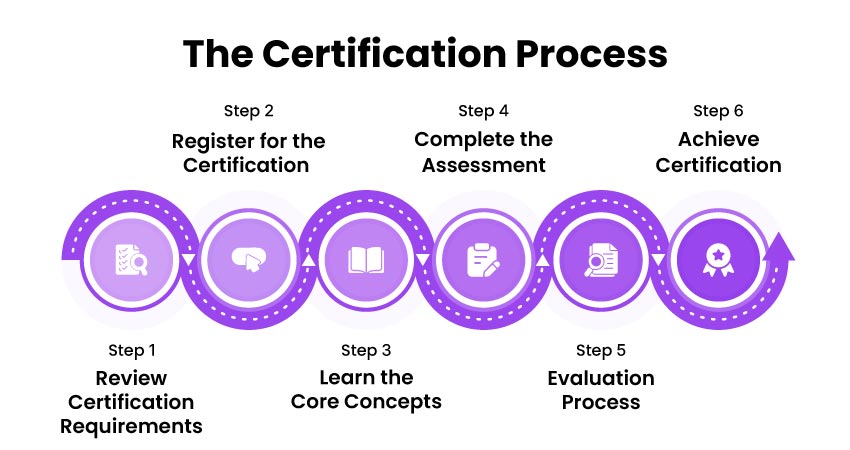
Step Forward with Globally Recognized Certification
Career Growth
Certified professionals report faster career advancement and higher recognition within their organizations after earning their certification. Many experience salary growth, expanded responsibilities.

Boost Your Career & Income

Increase your earning potential with globally valued certification.

Global Certification Board make 20% higher salaries worldwide
Globally Certified Professionals Over Time
Our certification program continues to grow worldwide as more learners upgrade their skills with globally recognized expertise. Certified individuals demonstrate improved .

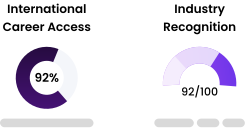
Global Opportunities
Certified professionals gain access to international job roles, cross-border work experience, and leadership positions in top organizations. and leadership positions in top organizations.

Build a Future-Ready Global Certification Career for 2026 — Backed by an Internationally Recognized Diploma
Accredited Certification issued by Global Certification Council
Frequently Asked Questions
The ISO 22000 Lead Implementer Certification validates your ability to design, implement, manage, and improve a Food Safety Management System (FSMS) aligned with ISO 22000 requirements. It confirms competence in establishing structured food safety management practices within organizations.
This certification is suitable for Food Safety Managers, Quality Assurance Professionals, Production Supervisors, Compliance Officers, Supply Chain Specialists, and Consultants responsible for implementing or managing food safety systems.
The exam assesses knowledge of ISO 22000 clauses, food safety governance principles, hazard analysis processes, prerequisite programmes, risk management practices, and structured implementation methodologies within Food Safety Management Systems.
You will gain skills in FSMS design, gap analysis, policy development, hazard identification, implementation of food safety controls, and performance monitoring within food production and supply chain environments.
The examination consists of 30 multiple-choice questions to be completed within 40 minutes. It is a closed-book assessment, and candidates must achieve a minimum passing score of 50 percent.
A Lead Implementer focuses on establishing and managing the Food Safety Management System. Internal and Lead Auditors evaluate whether the system is effectively implemented and aligned with ISO 22000 requirements.
Implementation provides a structured approach to identifying hazards, managing risks, and ensuring safe food production. It helps organizations maintain consistent food safety practices and strengthen supply chain reliability.
Prior experience in food safety management or quality control is beneficial but not always mandatory. Familiarity with food production processes and ISO standards can help candidates apply the concepts effectively.
Certified Lead Implementers establish food safety policies, implement control measures, monitor performance indicators, and guide improvement initiatives that strengthen overall food safety practices.
Professionals may pursue roles such as Lead Implementer, Food Safety Manager, Quality Assurance Manager, Food Safety Compliance Manager, Supply Chain Quality Manager, Food Safety Consultant, or Quality Systems Manager.
Related Certifications
No Certification available.


