





Excellence Begins Here
ISO 55001 Lead Auditor Certification Overview
The ISO 55001 Lead Auditor Certification validates a candidate’s ability to perform first-party, second-party, and third-party audits of Asset Management Systems in accordance with ISO 55001. The examination assesses advanced knowledge of audit principles, asset lifecycle evaluation, governance assessment, and evidence-based auditing techniques.
It evaluates competence in audit planning, documentation review, interview techniques, nonconformity identification, and structured reporting. Successful candidates demonstrate the capability to lead audit teams and objectively assess the effectiveness of asset management systems within complex operational environments.

Skills You Will Gain
Audit Planning
Ability to design structured audit programs that define scope, objectives, and audit criteria for Asset Management Systems. This supports efficient and controlled audit execution.
Evidence-Based Evaluation
Ability to gather, verify, and analyze objective evidence from operational activities and documentation. This ensures audit findings are reliable and defensible.
Nonconformity Assessment
Ability to identify and classify deviations from ISO 55001 requirements during audit activities. This supports clear documentation of audit findings.
Interviewing Techniques
Ability to conduct professional interviews with operational teams and asset managers. This helps extract relevant evidence and validate process effectiveness.
Reporting and Documentation
Ability to prepare comprehensive audit reports that clearly communicate compliance status and improvement opportunities. This supports transparent audit outcomes.
Corrective Action Review
Ability to evaluate corrective actions implemented after audit findings and verify their effectiveness. This strengthens continual improvement within asset management systems.
Exam

Multiple Choice
30 Questions
40 Minutes
Closed Book
 Minimum required score to pass: 60%
Key Exam Highlights
- Standardized Assessment
- Competency-Based Evaluation
- Secure Digital Examination Platform
- International Recognition
Why This Certification Matters?
- Strengthen Asset Governance Oversight
Conduct structured audits that assess the effectiveness of Asset Management Systems. This improves accountability and lifecycle management transparency. - Ensure Compliance with Asset Standards
Evaluate organizational practices against ISO 55001 requirements and identify operational gaps. This supports regulatory and operational alignment. - Improve Evidence-Based Audit Decisions
Analyze asset management documentation and operational activities through structured audit techniques. This strengthens the reliability of audit conclusions. - Support Continuous Asset Improvement
Contribute to improvement initiatives by identifying performance risks and recommending corrective actions. This enhances long-term asset value and system performance.
Qualify for In-Demand Jobs
- Lead Auditor
- Asset Management Auditor
- Infrastructure Compliance Auditor
- Asset Governance Specialist
- Reliability Audit Manager
- Maintenance Compliance Manager
Certification Roadmap
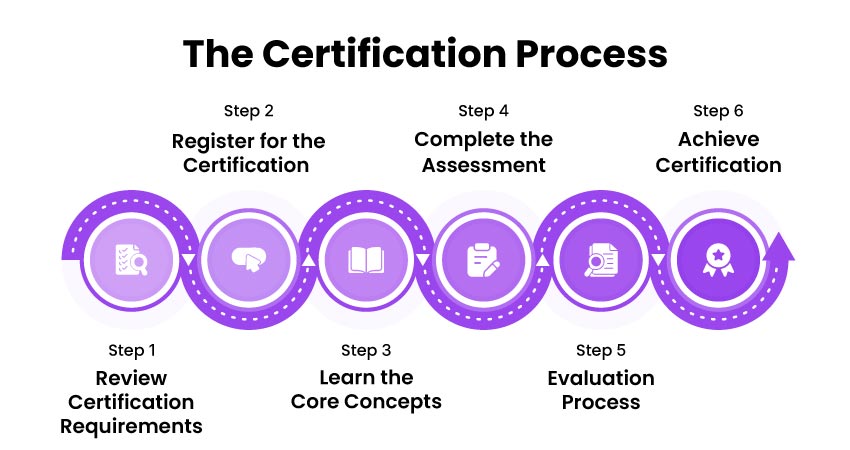
Step Forward with Globally Recognized Certification
Career Growth
Certified professionals report faster career advancement and higher recognition within their organizations after earning their certification. Many experience salary growth, expanded responsibilities.

Boost Your Career & Income

Increase your earning potential with globally valued certification.

Global Certification Board make 20% higher salaries worldwide
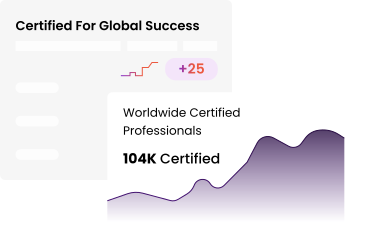
Globally Certified Professionals Over Time
Our certification program continues to grow worldwide as more learners upgrade their skills with globally recognized expertise. Certified individuals demonstrate improved .
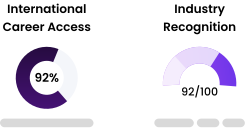
Global Opportunities
Certified professionals gain access to international job roles, cross-border work experience, and leadership positions in top organizations. and leadership positions in top organizations.

Build a Future-Ready Global Certification Career for 2026 — Backed by an Internationally Recognized Diploma
Accredited Certification issued by Global Certification Council
Frequently Asked Questions
ISO 55001 Lead Auditor Certification validates advanced knowledge of auditing Asset Management Systems against ISO 55001 requirements. It confirms the ability to plan, conduct, lead, and report asset management audits. The certification reflects professional competence in evaluating compliance and performance.
Asset management auditing skills are valued in industries that rely on infrastructure and long-term assets. This certification demonstrates the ability to assess asset management systems and identify improvement opportunities. It can support career growth in auditing, asset management, and compliance roles.
Yes, ISO 55001 is an internationally recognized standard for asset management. Organizations across different regions use it to improve asset lifecycle performance and reliability. Because of this, the certification holds strong international relevance.
Industries such as energy, utilities, transportation, manufacturing, infrastructure, and public services commonly implement ISO 55001. These sectors rely on structured audits to maintain asset performance and compliance. The certification is applicable across both private and government organizations.
The certification validates knowledge of ISO 55001 clauses, asset lifecycle principles, and risk-based auditing. It confirms the ability to evaluate asset management strategies and identify nonconformities. It also demonstrates competence in audit reporting and corrective action monitoring.
Foundation certification confirms understanding of asset management principles and terminology. Lead Auditor certification demonstrates advanced capability in planning and managing asset management audits. It reflects a higher level of professional responsibility.
The certification can support roles such as Lead Auditor, Asset Management Auditor, Compliance Manager, or Asset Governance Consultant. It demonstrates the ability to oversee structured audit processes. Many organizations value certified professionals for managing critical asset systems.
Yes, the certification emphasizes real-world auditing practices for asset management systems. It supports understanding of audit planning, evaluation techniques, and reporting. This practical focus strengthens professional capability in asset governance assessments.
Certified professionals help organizations identify weaknesses in asset management systems. Through structured audits, they support corrective actions and performance improvements. This contributes to better asset reliability and operational efficiency.
Yes, Lead Auditor certification demonstrates advanced expertise in asset management, governance, and compliance. It strengthens credibility for leadership and advisory roles. The credential can support progression into senior asset management or strategic audit positions.
Related Certifications
ISO 55001 Foundation Certification
ISO 55001 Internal Auditor Certification
ISO 55001 Lead Implementer Certification


